
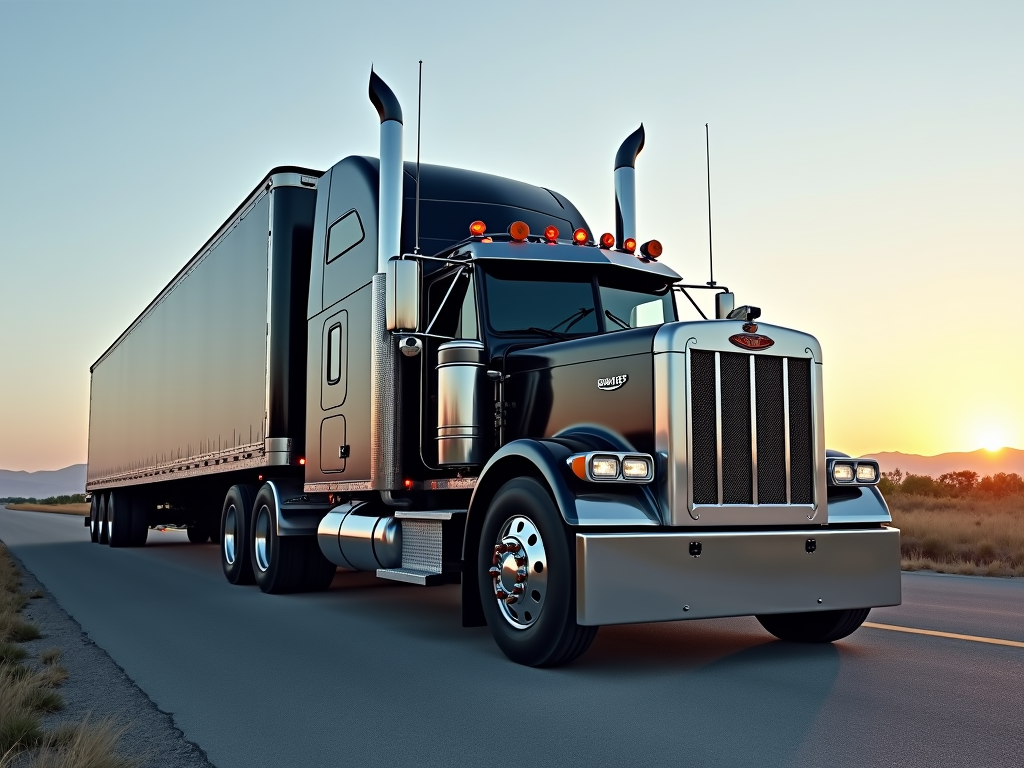
What It’s Like to Drive a Heavy Vehicle for a Living
Driving a heavy vehicle for a living isn’t just about sitting behind the wheel and cruising down highways. It’s a tough but rewarding job that requires skill, patience, and responsibility. Whether you’re driving a truck, bus, or any other large vehicle, the experience is completely different from driving a regular car.
If you’ve ever wondered what it’s like to be a heavy vehicle driver, this article will give you a real look into the job-the good, the bad, and everything in between.
Starting the Day: More Than Just Driving
A truck driver’s day usually starts early-sometimes before sunrise. Before hitting the road, there’s a lot to check. A small issue left unchecked could turn into a major problem later.
Planning the route is another big part of the job. Heavy vehicle drivers can’t just take any road-they have to avoid low bridges, weight-restricted roads, and narrow streets that aren’t built for large vehicles. A good plan can save hours of frustration later.
For those who transport goods, loading the truck is another important step. The weight must be balanced correctly to avoid problems while driving. A poorly loaded truck can be dangerous, making it harder to brake or turn safely.
What It’s Like Behind the Wheel
Once everything is ready, it’s time to hit the road. But driving a heavy vehicle isn’t the same as driving a regular car. These vehicles are bigger, heavier, and take much longer to stop. A fully loaded truck can take more than double the distance to come to a complete stop compared to a car.
Because of their size, heavy vehicles also have bigger blind spots. Drivers must constantly check their mirrors and be aware of other vehicles, especially small cars that may not realize they can’t be seen.
Traffic can be one of the most frustrating parts of the job. Unlike regular cars, trucks can’t easily change lanes or take quick detours. Sitting in traffic for hours can be exhausting, especially on tight delivery schedules.
Despite the challenges, there’s something peaceful about long-distance driving. Many truck drivers enjoy the open road, the changing scenery, and the freedom of being away from office spaces and strict routines.
Challenges Heavy Vehicle Drivers Face
Being a heavy vehicle driver comes with some tough challenges. One of the biggest is fatigue. Long hours on the road can be exhausting, and staying alert is crucial. That’s why there are strict rules about rest breaks. In most places, drivers must follow regulations that limit how many hours they can drive before taking a break.
Weather is another challenge. Rain, fog, or strong winds can make handling a heavy vehicle much harder. Even experienced drivers need to adjust their speed and driving style to stay safe in bad weather. In winter, icy roads can turn even a short trip into a risky one, requiring extra caution and slower travel. Poor visibility during storms can make it difficult to see road signs, other vehicles, or sudden obstacles. Staying alert and knowing when to pull over is essential for safety in such conditions.
Then there’s the pressure of meeting deadlines. Many truck drivers have tight schedules, and delays due to traffic, weather, or road closures can make things stressful. Some companies track their drivers using GPS, so there’s no room for taking extra time on the road.
Another challenge is dealing with other drivers. Not everyone understands how trucks work, and some drivers make dangerous moves, like cutting in front of a truck without realizing it needs more time to stop. A big part of being a heavy vehicle driver is staying patient and defensive on the road.
Unfortunately, accidents are another harsh reality. And to be honest, they’re not as rare as you would like to think. In many cases, it’s not even the truck driver’s fault, it could be a mechanical failure due to an old or poorly maintained truck, overloaded cargo, or reckless behavior by another driver. When something like this happens, it’s important for the driver to speak with a portland truck accident attorney, or elsewhere. A skilled lawyer can help guide them through the legal process and make sure their rights, health, and peace of mind are properly looked after.
The Best Parts of the Job
Despite the challenges, many drivers love what they do. One of the biggest perks is the independence. Unlike office jobs where a boss is watching over your shoulder, truck drivers often work alone and have the freedom to focus on the road.
There’s also the opportunity to travel. Long-haul drivers get to see different places, experience new scenery, and sometimes even visit areas they never would have otherwise.
For those who like routine, local delivery or bus driving jobs offer steady schedules. Some drivers enjoy the regular routes and the chance to interact with people, while others prefer the adventure of driving long distances.
The pay can also be good, especially for experienced drivers or those with special licences. Getting an HR Licence Perth can open up more job opportunities and allow drivers to handle larger vehicles, which often comes with higher wages.
What It Takes to Become a Heavy Vehicle Driver
Not just anyone can hop into a truck and start driving. To drive a heavy vehicle, you need the right licence. In most places, that means getting an HR (Heavy Rigid) licence or higher.
To qualify for an HR licence, you must already have a car licence for at least two years. Then, you’ll need to complete training, pass a written test, and take a practical driving test.
Driving a heavy vehicle also requires strong skills, like being able to handle the size and weight of the truck, managing long hours on the road, and staying patient in difficult situations. It’s not just about steering the wheel-it’s about being responsible for a large vehicle and everything inside it.
Should You Become a Heavy Vehicle Driver?
Driving a heavy vehicle isn’t for everyone. Some people love the independence, the good pay, and the chance to travel, while others find the long hours and tough conditions too demanding.
If you enjoy driving and don’t mind spending time on the road, it could be a great career choice. There’s always demand for skilled drivers, and getting an HR licence can open up plenty of job opportunities. But it’s important to think about the challenges too-like dealing with traffic, tight deadlines, and unpredictable weather.
The best way to know if it’s right for you is to learn more. Talk to experienced drivers, explore different types of heavy vehicle jobs, and get the right training. If you’re ready for the challenge, getting your HR licence is the first step toward a career with plenty of opportunities.