
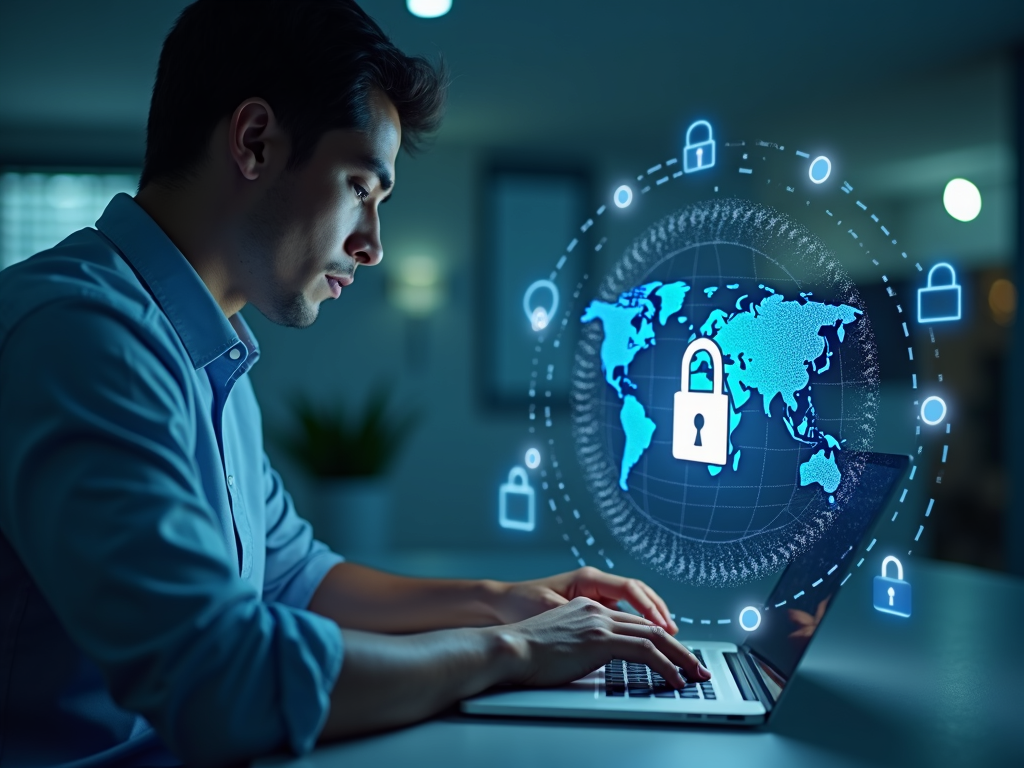
Unlock the Internet: How a VPN Gives You Freedom Online
Have you ever tried to stream a show on vacation only to find a disappointing “not available in your region” message? Maybe you hesitated before clicking a link because you worried that someone, somewhere, might be logging every move you make. If any of that rings true, you already understand why online freedom matters more than ever.
The Digital Walls You Cannot See
The internet feels open, yet hidden barriers shape what you can read, watch and say. Governments block websites that clash with local laws. Streaming services limit catalogs by location. Internet service providers may throttle your speed when you binge-watch too much high-definition video. These invisible walls turn the supposedly global web into a patchwork of gated communities.
While each restriction has its own reason, the result is the same: you get a smaller, slower and sometimes censored online world. Those limits inspired a simple idea: wrap your connection in a private tunnel so outside parties cannot meddle with it. That is where a virtual private network steps in.
What a VPN Does, Plain and Simple
Think of a virtual private network like vpn.pro as a secure, encrypted bridge between your device and everything you visit online. The moment it connects, every bit of traffic leaves your phone or computer wrapped in layers of mathematics that look like gibberish to prying eyes. Your requests travel to a remote server, emerge with a fresh IP address, then head to their final destination.
Because websites only see the VPN’s location, not yours, you sidestep region locks. An internet provider sees nothing useful inside the encrypted stream, so it cannot inspect or throttle your activities. That single change turns a local, exposed connection into a global, shielded pathway.
Six Ways a VPN Expands Your Freedom
- Privacy – Your browsing history, streaming choices and downloads stay hidden from internet service providers or public Wi-Fi operators.
- Security – Encrypted traffic blocks data thieves who lurk on airports, cafés or hotel networks, protecting passwords and personal files.
- Location Flexibility – You may appear to be in another country in seconds, allowing access to news sites, social feeds or streaming libraries that are not available at home.
- Consistency – Some providers slow down peer-to-peer sharing or heavy video streams, yet a VPN tunnel masks the type of content, keeping speeds stable.
- Safer Remote Work – Employees can log in to office resources without exposing internal documents to the public internet, reducing corporate risk.
- Travel Convenience – Banking sites that normally block foreign logins recognize the familiar IP of the VPN server instead of a hotel network in another nation, so you can pay bills without triggering security freezes.
The Price of Going Without One
Imagine sending postcards with your full name and address on the outside. That is roughly how traditional, unencrypted browsing works. Your requests advertise what site you want to reach, and each server along the path could record or even change the data before it hits your screen. Without a VPN, you accept that exposure every day.
The bigger problem is what others do with that exposure. Advertisers stitch together profiles for targeted ads. Hackers sitting in airport lounges harvest logins from travelers. Content owners decide that viewers in your country should pay more or see less. Those drawbacks may not be obvious on a single visit, yet they add up over time.
No, a VPN Is Not a Magic Cloak
A protective tunnel is powerful, but it is not a license to break laws or ignore other safety basics. For instance, a corrupt website can still infect a device that misses software updates. Malicious links can still trick someone into sharing details. A VPN reduces many risks, yet smart habits like strong passwords and regular patches remain essential.
Five Traits to Look For When Picking a Provider
- Transparent Policy – The service should state clearly that it does not record activity logs, and it must explain any minimal data it does keep for maintenance.
- Robust Encryption – Look for modern protocols such as WireGuard or OpenVPN that have public audits and strong cryptography.
- Reliable Speeds – Unlimited bandwidth claims mean little if servers crawl at a snail’s pace, so choose networks known for consistent performance across continents.
- Multi-Platform Support – One subscription should protect phones, tablets, laptops and even smart TVs without extra charges or complicated setups.
- Responsive Help – When a connection fails just before an important meeting, quick and knowledgeable support becomes priceless.
Daily Situations Where a VPN Makes Life Easier
Picture a student researching a controversial topic from a campus dorm room. The school’s firewall blocks several key sources, yet activating a VPN bypasses the filter and grants full access. Or think of a writer on a deadline who relies on shaky hotel Wi-Fi during a conference. A simple tap turns that untrusted network into a secure conduit for file transfers and video calls.
Frequent flyers benefit too. Airports often charge extra for premium speeds. With a VPN masking data type, the same connection can stay fast enough for streaming without paying extra fees. Even casual coffee shop browsing feels safer, since thieves sniffing traffic cannot read encrypted content.
Take Back the Keys
The internet holds endless knowledge, entertainment and opportunities, yet invisible barriers can shrink that horizon. A virtual private network gives you the keys to step past censorship, dodge surveillance and restore the open spirit the web once promised. Add one to your toolkit, use it wisely alongside good cybersecurity habits and browse with the confidence that the path ahead is finally yours.