
The Ultimate Guide to Launching a Podcast That Actually Builds Authority
The Ultimate Guide to Launching a Podcast That Actually Builds Authority
Nearly all advice around podcasting suggests that anyone can do it – and that used to be true. If you wanted to record a chat with a faraway friend in 2009, you were a pioneer, and you had to piece the information together through blogs. Now, with so many zero-barrier tools and open platforms around, the problem is quickly becoming too much bad content and not enough good content. For a new show to break through, trial and error is no longer a strategy.
Build a Minimum Viable Concept First
Before you spend a cent or line up any interviews, make your show about a problem it solves. Not a general topic. A problem. "Business leadership" is a topic. "How mid-size logistics companies can reduce management turnover" is a show with an audience.
This attracts people who actively think, "This was made for me," rather than a general audience that passively listens. These are your fans and your biggest advocates. It also acts as a sieve for episodes. If isn’t actively working on or answering that core problem, it’s not an episode.
The more clearly defined your show is, the easier everything else is to plan. Who you bring on, what you talk about, where the call-to-action fits in, how long your show notes should be – these all come naturally when you know exactly who you’re talking to.
Audio Quality Isn’t Optional
Your audience is what you should focus on. They can ignore a lot of things. They will understand the rhythm, the quality of an interview, and even some of your verbal content. But one thing that will instantly turn them off is the audio quality. Hiss, echo, and clipping sounds will make the listeners assume that the episodes are done by amateurs, and that’s not an easy image to shake off once they form that opinion.
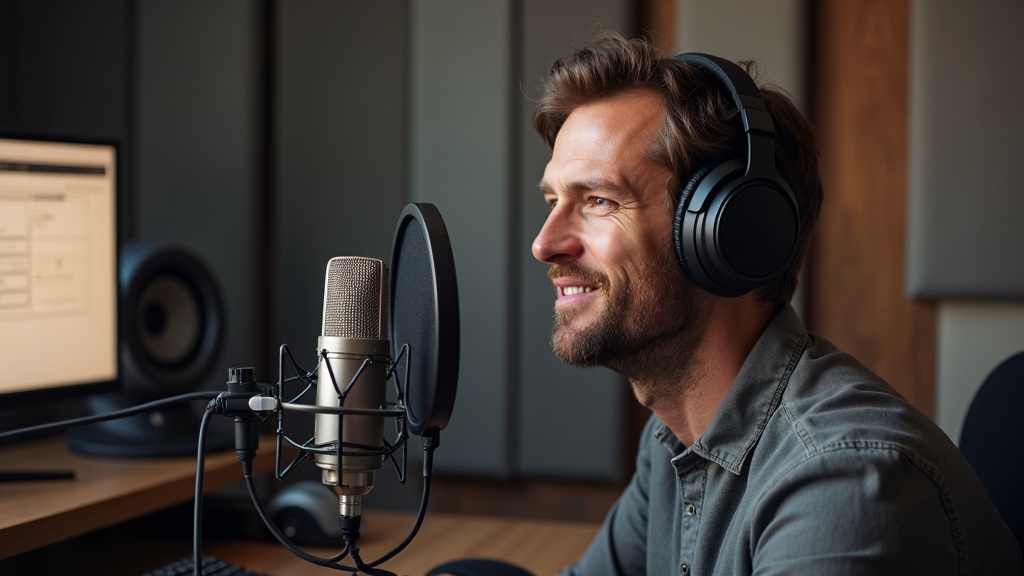
In terms of the technical side of podcasting, acoustic treatment, microphone choice, and gain staging are the most important aspects to consider. A dynamic microphone makes a significant difference in an untreated environment compared to a condenser microphone. Definitely, record XLR where you can but starting with a USB mic is not the end of the world. Proper gain staging ensures your levels stay nice and pretty at every stage of the recording process before you even think about touching an episode in post.
But seriously, the easiest, cheapest path to expert audio is still to hire podcast studio time in a properly treated recording space; complete with perfectly performing gear. It’s a little secret weapon for saving hours, headaches, cash you don’t need to waste, and ensuring none of your gear ends up in the "stuff I thought I needed for podcasting" cupboard.
Design a Workflow That Survives Past Episode Seven
A term used in the podcasting world to describe shows that enthusiastically start only to disappear is podfade. It tends to happen – four episodes in, the creator is hit by how much time each episode actually can take, momentum wanes, and the feed goes silent.
Batch recording is the surest way to avoid it. Record three or four episodes in a single session and you will always be ahead of your publish schedule. Your worst recording day won’t be a missed episode either.
Design your workflow for consistency, not inspiration. Decide on a day to record. Write up show notes directly after recording (these are not just post-show notes. This is searchable text that helps people find your show. If your budget allows, getting transcriptions can also extend the SEO reach of each episode and make your content available to the hearing impaired).
The First 30 Seconds Either Earn or Lose the Listener
Long musical intros, host bios that run a few sentences too long, and a sponsor shout-out at the top of an episode all share one common thread: it’s keeping the goods from the listener. Most of whom won’t stick around long enough.
Lead every episode with a direct declaration of what’s in it for the listener. Never "welcome back to the show" but a hook, a promise of immediate and specified benefit. "By the end of this episode, you’re going to have the exact steps you need to structure a contract that protects you in a retainer negotiation" is an episode open. "Hey everyone, thanks for joining us today" is filler.
This rule goes for guest shows as well. Introduce their authority in solving the listener’s problem, not their career. That shift in context – from credentials to utility – changes how the listener will internalize the conversation.
Guests Are Relationships, Not Just Content
Inviting guest experts is beneficial in many ways. First, you get access to their knowledge and their audience. But generally, the relationship you’re building is more important than those two components. When you have well produced, professional grade recording sessions with an expert, you have a valid reason to contact and network with people you’d not otherwise get access to.
Consider guest episodes as a marketing tactic as much as a content tactic. Follow up with your guest, let them share the episode, and give them a positive enough experience that they’ll be glad to do it again.
Podcasts are becoming increasingly popular, so there is definitely a potential audience out there waiting for you. The question is whether your podcast is professional enough to attract and retain them.